
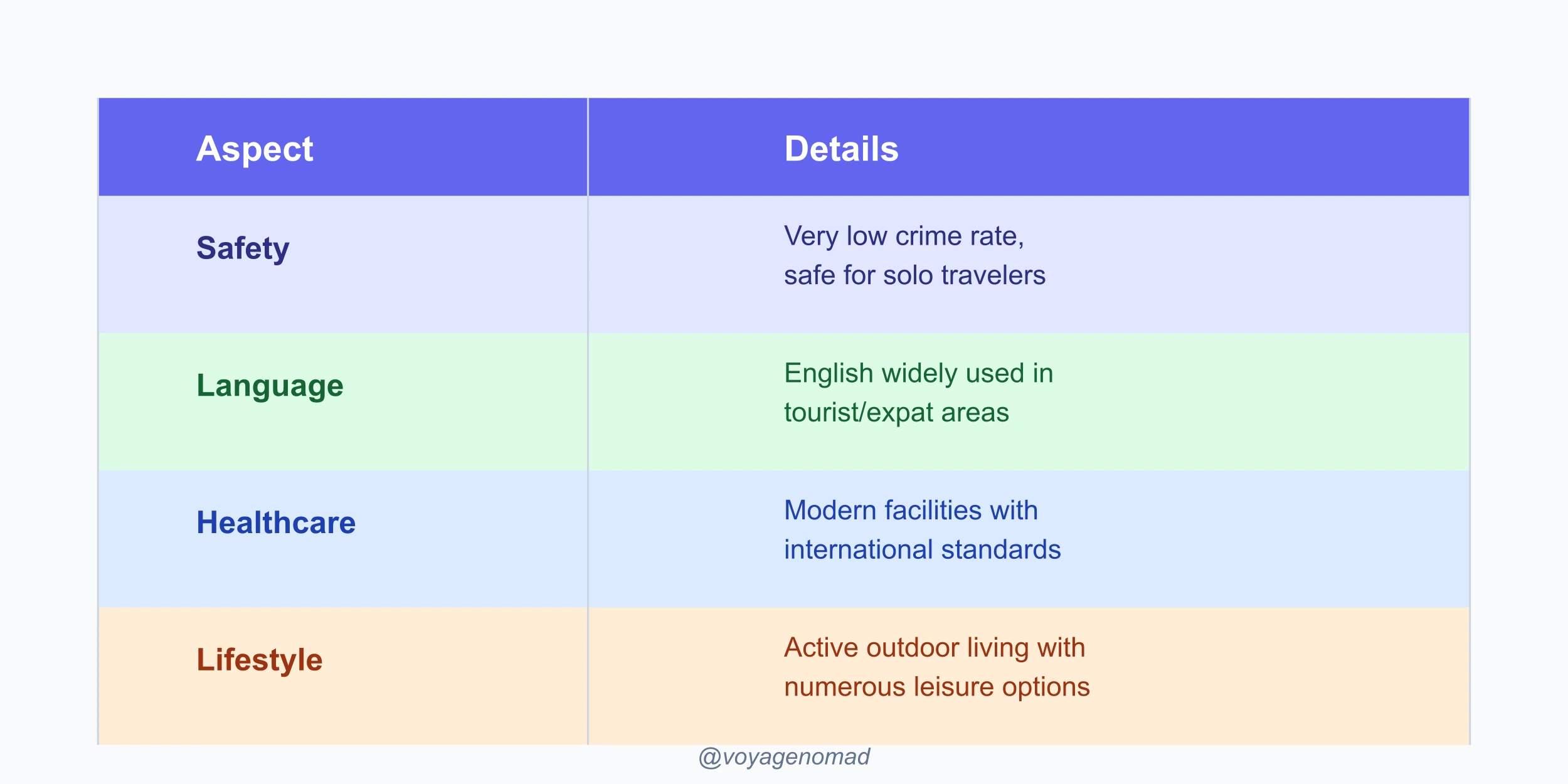
Danang is becoming a top choice for digital nomads who want to balance work and lifestyle. This coastal city in Vietnam has a great mix of modern convenience and local charm, making it an excellent spot for remote workers to set up shop.
Key Reasons to Choose Danang:
- Affordable Living: You can live well for a lot less compared to many Western countries.
- Stunning Beaches: Imagine working with ocean views or taking a break to enjoy some water activities.
- Developing Digital Infrastructure: The internet is reliable, and coworking spaces are growing steadily.
- Strategic Location: It’s located between Hoi An, an ancient town, and Hue, the former imperial capital.
The city’s rapid development has led to a skyline filled with modern buildings, yet it still holds on to its cultural heritage. Digital nomads visiting the city can expect the following:
Daily Life Perks:
- Culinary Variety: Enjoy everything from local street food to upscale restaurants.
- Outdoor Fun: Hike, surf, or join a yoga group.
- Cultural Riches: Explore temples, museums, and participate in local festivals.
- Career Opportunities: The city’s startup and tech scene is expanding fast.
The infrastructure has seen major improvements. New roads, bridges, and public areas make it a very comfortable spot for extended stays. The Dragon Bridge, an iconic symbol, represents the city’s ability to combine art with functionality.
If you’re after a good work-life balance, here’s what you can expect in Danang:
- Morning workouts on the beach before you start your day
- Quick lunch stops at vibrant local markets
- Peaceful evening walks along the Han River
- Weekend getaways to nearby UNESCO World Heritage sites
The local government has also been actively supporting the growing digital nomad community by:
- Enhancing internet connectivity
- Promoting coworking spaces
- Easing visa options for longer stays
- Supporting cultural exchange initiatives
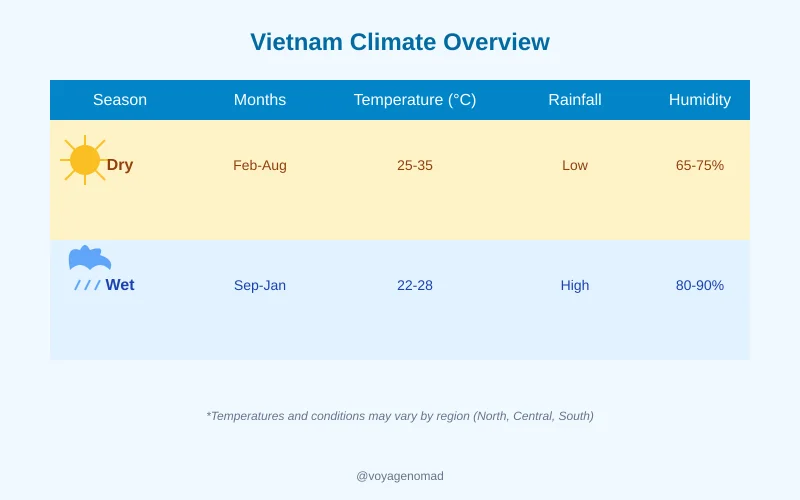
Danang’s tropical climate offers two distinct seasons:
- Dry season (February to August): Ideal for outdoor adventures
- Wet season (September to January): Manageable with some heavy rain at times
Finally, the city’s well-connected airport makes it easy to:
- Explore other parts of Vietnam
- Take short trips to neighboring countries
- Stay connected with international business ties
As a digital nomad in Danang, you’ll be joining a growing international community, but you’ll also get to experience authentic Vietnamese culture firsthand. The city’s focus on development, along with its natural beauty and traditional charm, makes it an ideal place for remote workers to succeed professionally while enjoying a great quality of life.
Finding Accommodation: Best Areas and Options for Remote Workers
Finding the right place to stay is essential for digital nomads planning a longer stay in Danang. The city provides a range of options to match different tastes and budgets—from luxury apartments to more affordable, cozy guesthouses.
Popular Neighborhoods for Digital Nomads:
- An Thuong Area
- Often called the “Western Village”
- Large expat and digital nomad community
- Plenty of cafes and restaurants nearby
- Walking distance to My Khe Beach
- Son Tra District
- A quieter, more local vibe
- Stunning ocean views
- Close to the Son Tra Peninsula nature reserve
- Increasing number of modern apartments
- Hai Chau District
- Located in the heart of the city
- Near shopping, entertainment, and services
- Lots of high-rise apartment buildings
- Central business district

Types of Accommodation:
1. Apartments
- A top choice for digital nomads
- Generally come fully furnished
- Common features include:
- Air conditioning
- Basic kitchen setup
- Washing machine
- High-speed internet
2. Houses
- Great for long-term stays
- Offers more space and privacy
- Often include:
- Multiple bedrooms
- Private parking
- Small garden or terrace
3. Apart-hotels
- Mix of apartment living with hotel perks
- Includes services like cleaning and reception
- Ideal for:
- First-time visitors
- Short stays or trying out the area
Finding Your Perfect Place:
Online Platforms:
- Facebook groups (Danang Housing, Expats in Danang)
- Local real estate sites (batdongsan.com.vn)
- International options (Airbnb, Booking.com)
Local Agents:
- Helpful for overcoming language challenges
- Often have exclusive listings
- Standard fee: Equivalent to one month’s rent
Important Considerations:
- Internet Connectivity
- Test connection speed before signing
- Ask about backup options (like mobile hotspots)
- Check download/upload speeds
- Contract Terms
- Usual leases run 6-12 months
- Expect to pay a deposit of 1-2 months’ rent
- Utilities are typically billed separately
- Location Factors
- How close is it to coworking spaces?
- Access to nearby shops, cafes, and other amenities
- Noise levels in the area
- Transportation options (bike rentals, public transit)
Setting Up Your Workspace:
Many digital nomads look for homes that have:
- A designated work area
- Good natural lighting
- Backup power solutions in case of outages
- Ergonomic seating for long hours at the computer
Time-Saving Tips:
- Join local Facebook groups before arriving
- Book a short-term place for your first week while you search
- Network with other nomads for their housing advice
- Use Google Maps to check nearby amenities and transit options
By taking the time to research and consider key factors, digital nomads can find the perfect home in Danang. This allows them to set up a comfortable base for both work and exploring everything this vibrant city has to offer.
Top Coworking Spaces and Cafes in Danang
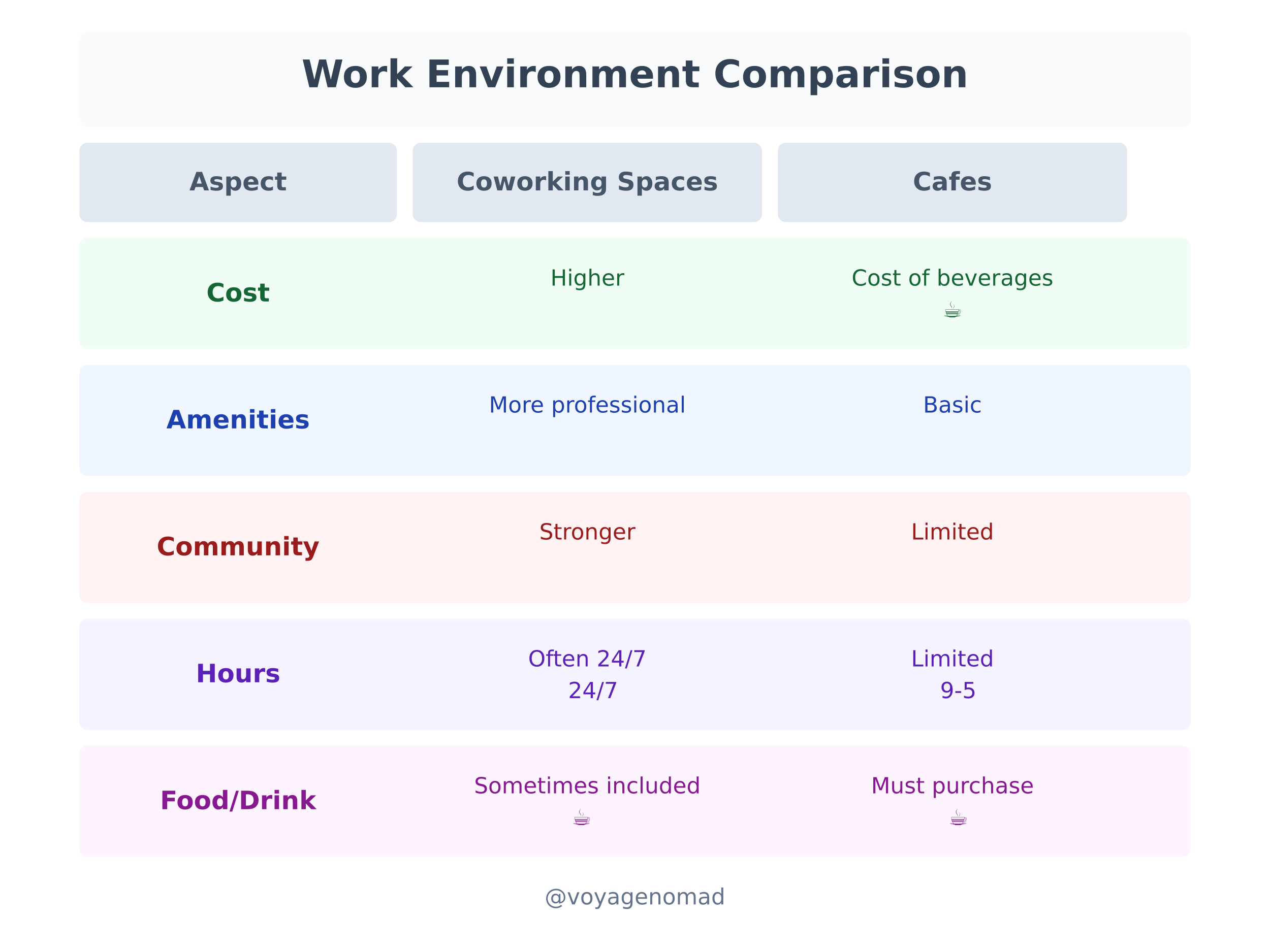
For digital nomads, access to productive workspaces is a must. Danang provides an expanding range of coworking spaces and work-friendly cafes, designed to suit different preferences and work styles.
Premium Coworking Spaces
1. Enouvo Space
- Highlights:
- 24/7 access for members
- Meeting rooms and event space
- High-speed fiber internet
- Regular community events
2. IoT Space
- Features:
- Tech-centric atmosphere
- Frequent workshops
- Mentoring opportunities
- Great for startups
3. Danang Coworking Space
- Amenities:
- Beachfront location with sea views
- Outdoor workspace options
- Free coffee and tea
- Printing services available
Work-Friendly Cafes
- The Hideout Cafe
- Known for:
- High-quality specialty coffee
- Sleek, minimalist design
- Stable WiFi
- Plenty of power outlets for laptops
- Known for:
- The Workshop Cafe
- Highlights:
- Large communal tables for coworking
- Private meeting spaces
- Long opening hours
- Wide-ranging food and drink menu
- Highlights:
- Brewman Coffee Concept
- Features:
- Multiple floors with various seating options
- Quiet, ideal for focused work
- Great selection of beverages
- Air-conditioned space for comfort
- Features:
Tips for Choosing Your Workspace
- Consider Your Work Style
- Do you need a quiet space for focus?
- Is collaboration or meeting space important?
- Do you need extra storage for personal items?
- Location Factors
- How close is it to your accommodation?
- Are there good transport options nearby?
- What amenities (cafes, restaurants, shops) are within walking distance?
- Technical Requirements
- Is the internet speed reliable?
- Are there enough power outlets?
- Do you need access to printing or scanning equipment?
Monthly Workspace Budget
Example breakdown:
Additional meeting room rentals: $20-50
Coworking membership: $100-200
Cafe working expenses: $100-250
Best Practices for Workspace Usage
- In Coworking Spaces:
- Be mindful of designated quiet zones
- Join in on community events and activities
- Keep your desk area clean and organized
- Follow booking rules for shared spaces like meeting rooms
- In Cafes:
- Make regular purchases if you plan to stay for extended periods
- Use headphones to avoid disturbing others
- Be considerate of space during peak hours
- Tip the staff if you’re working there for a long time
Alternative Options
- Public Spaces
- Libraries with WiFi
- Parks with free internet access
- Hotel lobbies that allow work
- Short-term Office Rentals
- Rent an office for the day if you need privacy
- Meeting rooms available for occasional use
- Virtual office services for mail and meeting addresses
By exploring and understanding these different workspace options in Danang, digital nomads can set up an efficient and enjoyable work routine that fits their needs. Whether you prefer the professional atmosphere of a coworking space or the laid-back vibe of a cafe, Danang offers plenty of environments to support productive remote work.
Cost of Living: Budget Breakdown for Digital Nomads
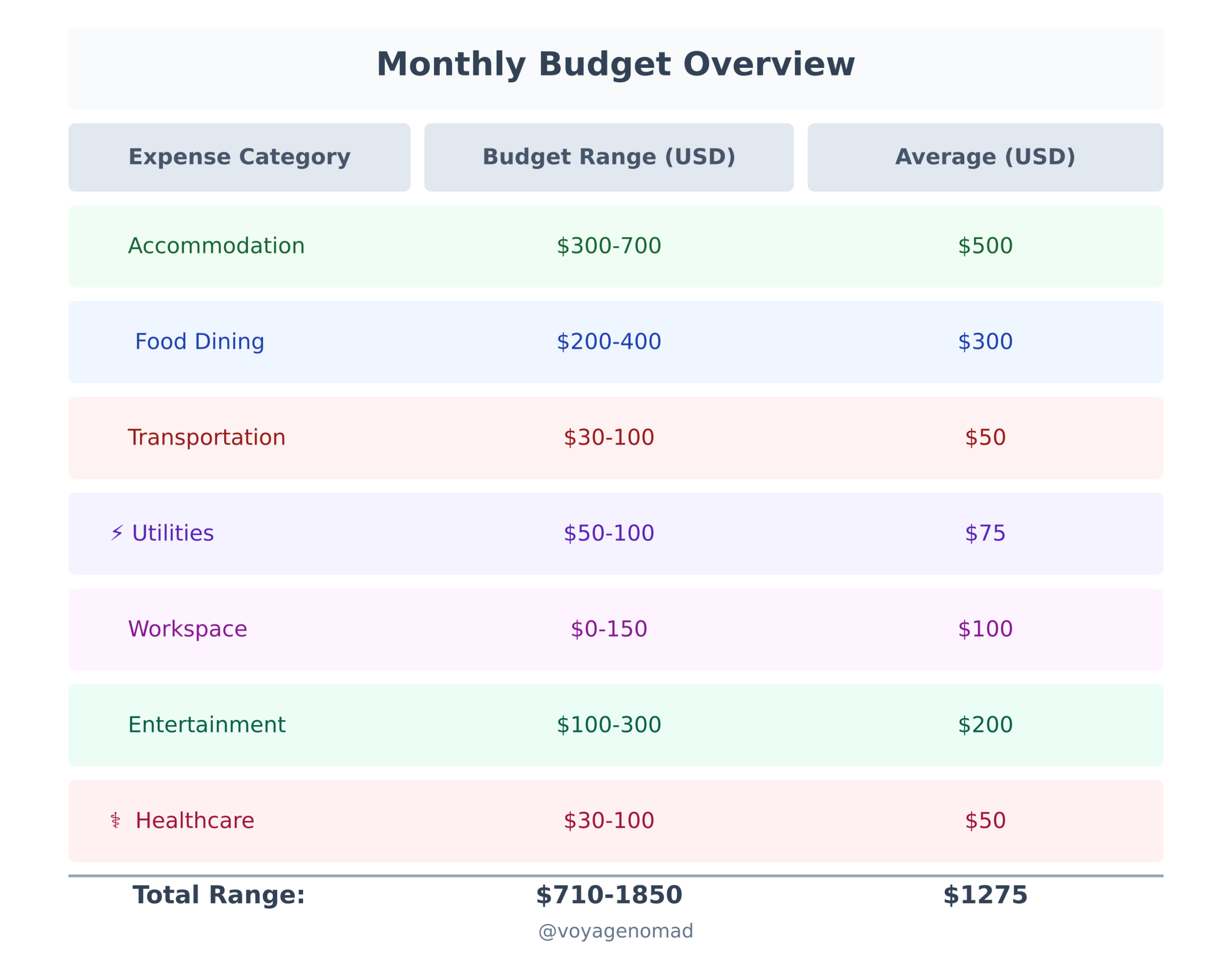
Understanding the cost of living in Danang is key for digital nomads planning a stay. This dynamic city offers a great balance of quality of life and affordability, making it an attractive destination for remote workers.
Accommodation Costs
Types of Housing:
- Studio apartment: $300-400
- One-bedroom apartment: $400-600
- Shared house: $200-300
- Luxury apartment: $700+
Additional Costs:
- Security deposit is usually one month’s rent
- Utilities are often billed separately
- Agent fees may apply if you use a real estate agent
Food & Dining
Local Food:
- Street food meal: $1-3
- Meal at a local restaurant: $3-5
- Groceries from fresh markets: $20-30 per week
Western Food:
- Meal at a Western-style restaurant: $8-15
- Imported groceries: $40-60 per week
- Coffee at cafes: $2-4
Transportation
- Motorbike Rental
- Monthly cost: $60-90
- Fuel: $15-30 per month
- Taxi/Grab
- Short trip: $1-3
- Airport transfer: $10-15
- Bicycle
- Purchase price: $100-200
- Monthly rental: $30-50
Utilities & Services
- Electricity: $30-50
- Water: $5-10
- Internet: $15-25
- Mobile phone plan: $5-10
- Cleaning service: $50-100 per month
Workspace Options
- Coworking Spaces
- Daily pass: $8-12
- Monthly membership: $100-150
- Cafe Working
- Daily spending: $5-10
- Monthly estimate: $100-200
Entertainment & Leisure
Activities:
- Gym membership: $30-50 per month
- Yoga classes: $5-10 per session
- Beach club entry: $10-20
- Movie ticket: $5-7
Nightlife:
- Local beer: $1-2
- Cocktails: $4-8
- Club entry: Usually free
Healthcare
Regular Expenses:
- Health insurance: $30-100 per month
- Basic medical checkup: $20-40
- Dental cleaning: $25-50
Sample Monthly Budgets
Budget Conscious ($1000)
- Shared housing: $250
- Focus on local food: $200
- Motorbike rental: $50
- Basic utilities: $50
- Cafe working: $50
- Minimal entertainment: $100
Comfortable ($1500)
- Studio apartment: $400
- Mix of local and Western dining: $300
- Transportation: $70
- Full utilities: $80
- Coworking space membership: $100
- Regular entertainment: $200
Luxury ($2500+)
- Luxury apartment: $700
- High-end dining and restaurants: $400
- Car rental or frequent taxis: $200
- Premium utilities: $100
- Private office space: $150
- Extensive entertainment budget: $300
Saving Strategies
- Housing
- Negotiate a longer lease for better rates
- Opt for local neighborhoods rather than expat-heavy areas
- Share housing to lower rent costs
- Food
- Cook at home more often
- Shop at local markets for fresh and cheaper ingredients
- Use promotions on food delivery apps
- Transportation
- Rent motorbikes by the month for a lower rate
- Use public transport or Grab for longer trips
- Walk or cycle for short commutes
Unexpected Expenses
It’s smart to budget for:
- Visa runs or extension fees
- Emergency healthcare needs
- Repair or replacement of work equipment
- Seasonal changes in rent or utilities
By carefully planning your budget and keeping these costs in mind, digital nomads can enjoy a comfortable, affordable, and sustainable lifestyle in Danang, while making the most of the city’s vibrant opportunities.
Internet and Connectivity Guide for Remote Work
Reliable internet is the lifeline of digital nomads, and Danang has been working hard to provide solid connectivity. Knowing your options for internet service and backup solutions is key to keeping your remote work productive and seamless.

- Viettel
- Extensive coverage throughout the city
- 24/7 customer support
- English-speaking service available
- Reliable fiber optic network
- VNPT
- Competitive pricing
- Bundle deals for internet, TV, and phone
- Fast installation times
- Smooth streaming experience
- FPT
- Modern infrastructure and fast connections
- Consistent and stable service
- Free modem with service
- Mobile app to manage your account
Mobile Data Options
For mobile connectivity, here are the most popular plans:
- Viettel
- 30-day tourist SIM: $10
- Includes 60GB of data
- Unlimited social media access
- Mobifone
- Monthly plan: $8
- 40GB of data
- Good urban area coverage
- Vinaphone
- Monthly plan: $7
- 30GB of data
- Strong signal in city centers
Connectivity Solutions for Digital Nomads
Primary Setup Recommendations:
- Home Office
- Fiber optic internet with speeds over 100 Mbps for stable connections
- A mesh WiFi system if you’re in a larger home or need better coverage
- Uninterruptible Power Supply (UPS) to keep your router online during power outages
- Mobile Workspace
- 4G or 5G mobile hotspot for internet on the go
- Portable power bank to keep your devices charged
- Signal booster for areas with weaker mobile reception
Backup Solutions:
- Pocket WiFi: Portable WiFi router, costing $50-80 upfront, with $10-15 monthly for service
- Secondary SIM: Get a SIM card from a different provider for redundancy in case one network goes down
- Coworking Space Day Pass: Access to a coworking space with reliable internet for $8-12 when your primary connection fails
Common Connectivity Challenges
- Power Outages
- Frequency: Rare in the city center but can happen
- Duration: Usually under 2 hours
- Solutions:
- Use a UPS (Uninterruptible Power Supply) to keep your router running
- Have portable battery packs for mobile devices
- Keep a list of alternative workspaces or coworking spaces ready
- Weather Impact
- The rainy season can sometimes affect internet performance
- Solutions:
- Consider a weatherproof outdoor router for better signal stability
- Maintain multiple internet connections (e.g., home WiFi and mobile data)
- Adapt your schedule to work around the weather, taking advantage of clear days
Essential Apps for Connectivity
- Speed Test Tools
- Ookla Speedtest: Quick and reliable internet speed testing
- Fast.com: Simple tool for checking download speeds
- Google Speed Test: Built into the search engine, easy to use
- VPN Services
- ExpressVPN
- NordVPN
- Surfshark
Workspace Setup Tips
- Signal Optimization
- Place your router in an open, central location
- Use a WiFi extender if you need better coverage in larger spaces
- Use tools or apps that help you select the best channel for less interference
- Productivity Tools
- Use apps that work offline when the connection is unstable (Google Docs, Notion, etc.)
- Sync to the cloud once you reconnect for seamless backups
- Set up automated backups to avoid data loss
Internet Security Best Practices
- Public WiFi Safety
- Always use a VPN when connected to public WiFi
- Avoid doing sensitive transactions (banking, purchases)
- Ensure your firewall is active
- Data Privacy
- Consider local data storage for sensitive files
- Use encrypted messaging apps (like Signal or Telegram) for secure communication
- Regularly audit your security settings on all devices
Cost Optimization
- Internet Packages
- Look for discounts with long-term contracts
- Take advantage of bundle deals (Internet + TV)
- Watch for seasonal promotions and special offers
- Equipment
- Compare costs between buying vs. renting modems and routers
- If staying in coliving spaces, consider sharing internet costs and equipment
- Check if any expenses are tax-deductible if you’re freelancing or running a business
Productivity Enhancement
- Video Call Optimization
- Use dedicated conference rooms or quiet coworking spaces for professional video calls
- Always have backup audio solutions (headsets, microphones) in case of technical issues
- Set up a clean, professional background or use virtual backgrounds for a polished appearance
- File Management
- Balance between local storage (for quick access) and cloud storage (for remote accessibility)
- Set up automated sync schedules to ensure your files are always backed up without slowing down your workflow
- Use bandwidth management tools to avoid slowdowns when uploading or downloading large files
By leveraging reliable connectivity solutions and following best practices, digital nomads in Danang can enjoy productive and uninterrupted work routines. As the city’s infrastructure grows, Danang continues to become a top choice for remote workers seeking stable, high-speed internet and a tech-friendly environment.
Getting Around: Transportation Tips for Digital Nomads
Making your way around Danang efficiently is crucial to enjoying your time as a digital nomad. The city offers several transportation options, each with its own benefits and things to consider.
Popular Ways to Get Around
1. Motorbike Rental
Motorbikes are the go-to option for many digital nomads. They offer flexibility and are relatively cheap.
Details:
- Cost: $40 to $60 per month
- Fuel: 100-150 km per tank
- License: An international driver’s license is recommended
- Insurance: Basic insurance is often included
Safety Tips:
- Check the quality of the helmet
- Keep up with regular maintenance
- Practice defensive driving
- Use weather protection gear when needed
2. Ride-Hailing Services
Ride-hailing apps are great for times when using a motorbike isn’t practical, like in bad weather or for occasional trips.
Popular Apps:
- Grab
- Be
- Mai Linh
Costs:
- Short trips (under 2 km): $1 to $2
- Medium trips (2-5 km): $2 to $4
- Airport transfer: $10 to $15
3. Bicycle
If you’re looking for an eco-friendly and healthy way to get around for shorter distances, a bike is a solid option.
Choices:
- Buy your own: $100 to $300
- Monthly rental: $30 to $50
- Bike-sharing services: Found mostly in tourist areas
4. Walking
Walking works well in certain parts of the city, especially within specific neighborhoods.
Good Areas for Walking:
- An Thuong district
- My Khe Beach
- Han River walkway

Area-Specific Transportation Tips
- An Thuong (Expat Area)
This neighborhood is ideal for walking, with plenty of rental shops around and easy access to taxis. It’s a great area for expats who want to explore on foot or need a ride quickly. - City Center
Traffic here can get heavy, especially during rush hours. Parking is often a hassle, but ride-hailing services are widely available and can save you the trouble. - Son Tra Peninsula
Motorbikes are the best option for getting around this area. The roads are steep, and public transport is limited, so be prepared for some adventurous riding.
Seasonal Considerations
Dry Season (February to August)
- Perfect time for motorbike riding, with clear skies and pleasant weather.
- Walking and cycling are also great options during this time.
- Expect higher rental prices during the tourist season.
Wet Season (September to January)
- Rain gear is a must.
- You’ll likely rely more on ride-hailing services during the rainy months.
- If you’re on a motorbike, drive carefully as roads can get slippery.
Cost-Saving Strategies
- Long-term Rentals
- Always negotiate for a better deal if you plan on renting for a month or longer.
- Building a good relationship with a rental shop can lead to better rates or perks.
- If you’re staying for six months or more, buying a motorbike could save you money.
- Ride-Hailing
- Take advantage of promo codes whenever you can.
- Sharing rides with others is another way to cut down on costs.
- Try different apps to find the best price for your trip.
- Combining Methods
- Walk when you’re heading to nearby cafes or coworking spots.
- Use a bike for short errands around your neighborhood.
- A motorbike works best for longer commutes or trips outside the city.
Legal Considerations
- Licenses
- You’ll need an International Driving Permit (IDP) if you plan on riding a motorbike.
- If you’re staying long-term, look into converting your license to a local one.
- Make sure your motorbike has proper insurance coverage to avoid any legal issues.
- Traffic Rules
- Know the local rules about right-of-way, as driving can feel a bit chaotic.
- Wearing a helmet is required by law.
- Be aware of parking regulations to avoid fines or towing.
Transportation Apps and Tools
- Essential Apps
- Grab for ride-hailing and deliveries.
- Google Maps for directions and real-time traffic updates.
- Weather apps to help you plan your trips, especially during the rainy season.
- Useful Features
- Offline maps can be a lifesaver when you’re in areas with poor reception.
- Use apps that offer route planning to avoid traffic jams.
- Compare prices between ride-hailing services to get the best deal.
Special Situations
- Airport Transfers
- It’s a good idea to pre-book your airport transfer to avoid last-minute stress.
- Expect to pay between $10 and $15, depending on your location.
- If you’re traveling with a lot of luggage, choose a larger vehicle or van service.
- Group Transportation
- Renting a van is a great option for group outings or if you’re traveling with a lot of gear.
- Some ride-hailing services offer larger vehicles for groups.
- For day trips, many tour services offer transportation as part of the package.
By taking advantage of the many transportation options in Danang, digital nomads can navigate the city with ease, balancing cost, convenience, and comfort. The best choice will depend on where you are, what your schedule looks like, and your personal preferences.
Food Scene and Cuisine Guide for Long-term Stays
Danang has a lively and diverse food scene that makes long-term stays enjoyable for digital nomads. It offers an exciting mix of traditional Vietnamese dishes and international favorites. Getting familiar with the local cuisine and dining options is key to feeling at home in the city.
Local Cuisine Highlights
Danang is home to several must-try dishes that are both delicious and affordable.

Popular Local Restaurants
- Bep Hen
- Serves:
- Traditional Vietnamese dishes
- Fresh seafood options
- Price range: $3-8 per person
- Best for: Those looking for an authentic, home-style Vietnamese meal
- Serves:
- Be Man
- Known for:
- Fresh seafood
- Family-style meals
- Price range: $5-15 per person
- Best for: Group gatherings or family dinners
- Known for:
International Dining Options
If you ever feel like a break from local flavors, Danang has a growing selection of international restaurants that offer both comfort food and fusion options.
- Western Cuisine
- Pizza 4P’s – Known for its wood-fired pizzas and cheese made in-house
- Burger Bros – Popular spot for gourmet burgers
- Crazy Cat Cafe – A quirky place for sandwiches, coffee, and desserts
- Asian Fusion
- Nem Restaurant – A mix of Vietnamese and Asian fusion dishes
- Golden Pine – Great for Asian-inspired meals with a modern twist
- Fatfish – Famous for its seafood and creative Asian fusion menu
Dining Styles and Budgets
Budget-Friendly Options
For digital nomads looking to save money, Danang’s street food scene offers excellent meals at very affordable prices.
- Street Food: $1-3 per meal
- Food Safety Tips:
- Pick stalls that are busy (indicating freshness and quick turnover)
- Watch how the food is prepared
- Choose vendors with fresh ingredients on display
- Food Safety Tips:
Mid-Range Dining
For a bit more comfort, you can dine at local restaurants offering great food at reasonable prices.
- Local Restaurants: $3-8 per meal
- Advantages:
- Air-conditioned spaces to escape the heat
- English menus to make ordering easier
- Some accept card payments, which is a plus if you don’t have cash
- Advantages:
High-End Experiences
For those seeking a fine dining experience, Danang also has a growing selection of upscale restaurants.
- Luxury Restaurants: $15+ per meal
- Features:
- Dishes crafted by international chefs
- Elegant atmosphere, perfect for a special night out
- Wide selection of wines and cocktails to complement your meal
- Features:
Grocery Shopping Guide
Local Markets
- Con Market
- Best for:
- Fresh fruits, vegetables, and other produce
- Authentic local ingredients
- A variety of street food options
- Tips:
- Visit early in the morning for the freshest picks
- Bargaining is part of the shopping experience here
- Bring small bills for easier transactions
- Best for:
- Han Market
- Specialties:
- Dried goods like seafood and herbs
- Traditional Vietnamese spices
- Pre-made foods like spring rolls and snacks
- Specialties:
Supermarkets
- Vinmart
- Offers a selection of Western products along with local staples
- Prices are fixed, so no need for bargaining
- Air-conditioned, making it a comfortable shopping option
- Lotte Mart
- Known for having the widest selection of products
- Prices tend to be a bit higher compared to local markets
- Carries a range of international brands and goods
Meal Planning Strategies
- Cooking at Home
- Plan weekly trips to the markets to get fresh ingredients
- Make sure your kitchen is equipped with essentials like:
- A rice cooker for quick meals
- An electric kettle for boiling water
- A simple wok or frying pan for versatile cooking
- Eating Out
- Take advantage of lunch specials that many local restaurants offer
- Look for happy hour deals, especially at international spots
- Try organizing group dinners to get more variety and share dishes
Coffee Culture
Local Coffee Shops
- XLIII Specialty Coffee
- Known for its high-quality, specialty coffee
- A perfect spot for remote work, with good Wi-Fi and seating
- Offers an international coffee experience in a sleek environment
- The Workshop
- Features carefully crafted artisanal roasts
- A quiet, cozy spot that’s perfect for meetings or focused work
- Popular with locals and expats who appreciate a good brew
Vietnamese Coffee Styles
- Ca phe sua da: Iced coffee served with sweetened condensed milk, perfect for hot days
- Ca phe den: A strong, black Vietnamese coffee, often served hot or iced
- Bac xiu: A sweeter, milkier version of traditional Vietnamese coffee, great for those who love extra creaminess
Health and Safety Tips
- Food Safety
- It’s best to stick to bottled water for drinking
- Opt for food that’s hot and freshly cooked to avoid any risks
- Choose reputable restaurants and busy street vendors to ensure food quality
- Allergies
- Consider carrying a Vietnamese allergy card to show at restaurants
- Look for dining spots that cater to specific dietary needs
- Know the locations of nearby clinics in case of food-related emergencies
Seasonal Considerations
- Dry Season
- Outdoor dining is much more common, with many places offering al fresco seating
- Fresh seafood is abundant, especially near the beach
- Beach barbecues are popular for both locals and tourists
- Wet Season
- Indoor dining becomes more appealing as the rains come
- Hotpot restaurants and cozy, warm meals gain popularity
- Comfort foods like pho and stews are perfect for cooler, rainy days
Long-term Food Strategy
- Meal Planning
- Striking a balance between cooking at home and eating out helps maintain variety and budget
- Consider a mix of local dishes and Western options to keep meals interesting
- Allocating a budget for both local market shopping and occasional dining splurges can make long-term living more sustainable
- Kitchen Setup
- Ensure your kitchen has essential equipment to cook at home efficiently
- Learn how to combine local ingredients with a few imported items for flexibility in meal planning
- Consider storage solutions like airtight containers for ingredients or leftovers
By immersing yourself in Danang’s diverse and dynamic food scene, digital nomads can enjoy both culinary exploration and a healthy, budget-friendly lifestyle. The variety of local and international options ensures you’ll never run out of delicious things to try!
Visa Requirements and Extensions for Digital Nomads
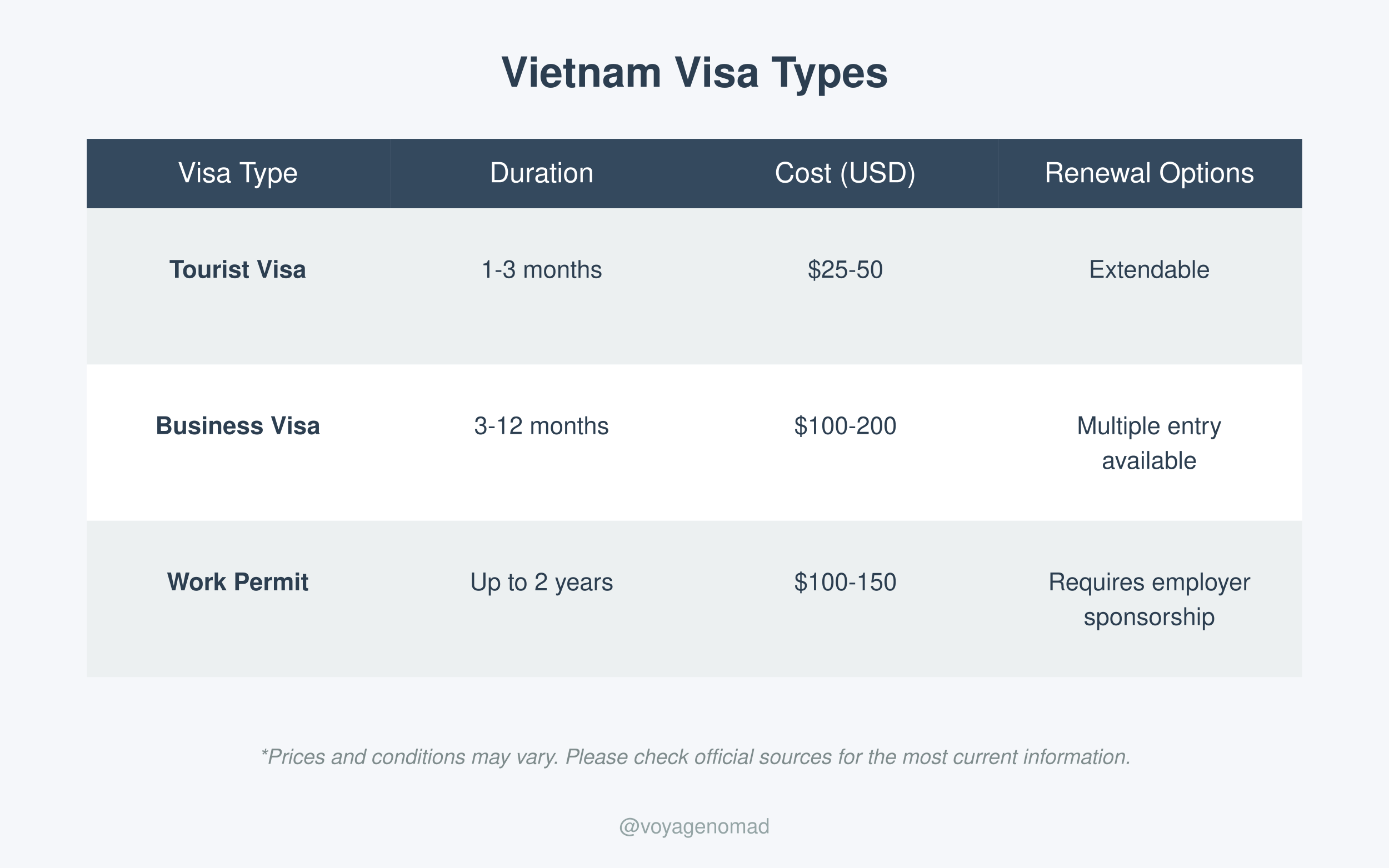
Navigating Vietnam’s visa regulations is essential for digital nomads planning an extended stay in Danang. Understanding your visa options and the renewal process can make your stay smooth and hassle-free.
Visa Types and Options
1. Tourist Visa
- Best for:
- Short-term stays
- Trying out Danang as a potential base
- People who don’t mind occasional visa runs
- Application Process:
- Online e-visa application: Quick and convenient, often the preferred method for digital nomads.
- Visa on arrival: Requires pre-approval before you land.
- Embassy application: A traditional option, usually done if you’re applying in advance from your home country.
2. Business Visa
- Advantages:
- Longer stay periods
- Multiple entry options, which is great for frequent travelers
- More flexibility if you plan to work or do business in Vietnam
- Requirements:
- A business sponsor letter from a Vietnamese company or employer
- Your passport must be valid for at least 6 months
- Completed application form and passport-sized photos
Visa Extension Process
If you plan to stay in Vietnam beyond your visa’s expiration date, extending your visa is a simple process with a couple of different options.
1. In-Country Extension
- Through local agencies:
- Cost: Typically $30-50, depending on the agency
- Processing time: 5-7 business days
- Required documents:
- Your current visa
- Passport
- Visa extension application
- Passport photos (bring extras just in case)
- DIY at the Immigration Office:
- Cost: Slightly lower than using an agency
- Time investment: Be prepared to spend more time at the office, especially if you encounter a language barrier
- Challenges: Navigating the process alone may be tricky due to the language difference, but it’s possible if you’re up for the task
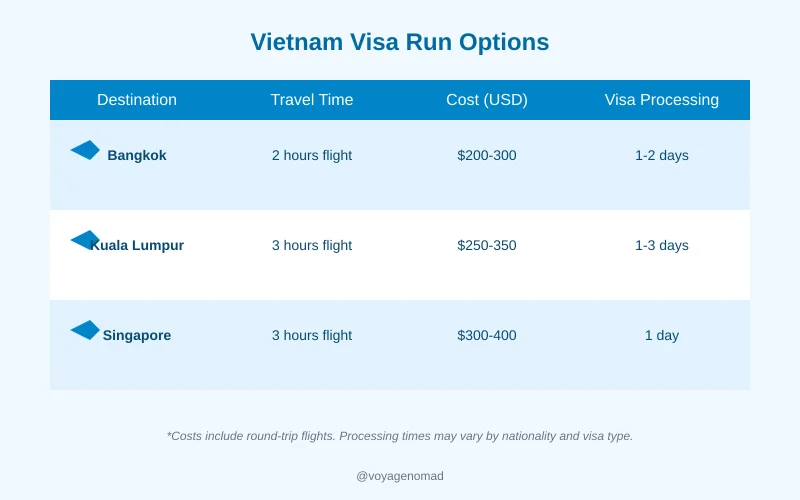
2. Visa Run Options
If you need to do Vietnam Visa Run, several nearby destinations offer convenient visa run options.
Long-Term Stay Strategies
- Business Visa Route
- If you plan to stay in Danang for an extended period, partnering with local companies can be a viable option.
- For those interested in investing or starting a business, this visa offers longer stays and more flexibility.
- Required documentation:
- A solid business plan
- Financial statements
- A local address to support your business operations
- Education Visa
- Enrolling in a language school is another way to extend your stay for 6-12 months.
- Requirements:
- Proof of school registration
- Tuition payment confirmation
- Commitment to attending classes regularly
Common Visa Mistakes to Avoid
- Overstaying
- Penalties: Overstaying can result in fines of $50-100 per day.
- It could also negatively affect your immigration record, leading to complications with future visas.
- Working on a Tourist Visa
- Legal Implications: It’s illegal to work on a tourist visa, and getting caught could result in deportation.
- Companies that hire tourists without the proper visa may also face penalties.
Visa Agent Services
- Reputable Agencies
- Some agencies can help streamline the visa process, with costs ranging based on the level of service.
- Look for service packages that include everything from visa applications to extensions, and check for high success rates.
- What to Look For
- Choose an agency with staff who speak English fluently, so you avoid misunderstandings.
- Transparent pricing is key—avoid hidden fees.
- Fast, reliable communication ensures any issues are addressed quickly.
Emergency Situations
- Lost Passport
- If your passport is lost, contact your embassy immediately.
- They will issue temporary documentation, and you’ll need to reapply for your visa afterward.
- Visa Rejection
- If your visa application is denied, there is often an appeal process.
- You may also explore alternative visa options, and in complex cases, seek legal assistance.
Digital Nomad Considerations
- Remote Work Reality
- While working remotely in Vietnam is often a legal gray area, many digital nomads use business visas or education visas to stay long-term.
- It may also be worth considering local business registration if you plan to work or operate a business in the country.
- Tax Implications
- Be aware of Vietnam’s tax laws—if you stay long enough, you may have tax liabilities.
- Check your home country’s tax obligations to avoid any surprises.
- Some countries have double taxation agreements with Vietnam, which can help avoid paying taxes in both places.
Practical Tips
- Documentation
- Keep physical copies of all essential documents, like your visa and passport.
- Always have digital backups stored safely online.
- Register with your embassy, so they have your information in case of emergencies.
- Local Support
- Tap into expat community resources for visa and legal advice.
- Consider hiring legal consultants who specialize in visa regulations.
- Keep a list of contacts at the local immigration office for emergencies or quick questions.
Health Insurance Requirements
- Visa-Linked Insurance
- Some visas may require proof of health insurance that meets local coverage requirements.
- Look for recommended providers that offer plans tailored for long-term stays.
- Be sure to factor in the cost of this insurance when budgeting for your stay.
- Travel Insurance
- Travel insurance can be useful, especially if it’s required for your visa application.
- However, check the coverage limitations—some travel insurance may not cover all medical needs for long-term stays.
- Ask for provider recommendations from other digital nomads or expats to find the best fit for your needs.
Resources and Support
- Online
- Check the official Vietnam immigration website for the latest visa regulations and procedures.
- Expat forums are a valuable resource for firsthand advice and experiences.
- Facebook groups offer a great way to connect with other digital nomads in Danang for tips and support.
- Offline
- Local visa agents can assist with the visa process, making it smoother and easier.
- The immigration office is your go-to for official paperwork and any in-person visa inquiries.
- Consular services from your embassy can help in emergency situations or with documentation.
By staying informed about visa requirements and using the available resources, digital nomads can ensure a stress-free and legal stay in Danang. With the right planning, you can fully enjoy everything this vibrant city has to offer.
Weather, Seasons, and When to Visit Danang
Understanding Danang’s climate patterns is key to making the most of your time as a digital nomad. The city experiences distinct seasons, and these can affect both your work and leisure plans.
Vietnam Climate Overview
Dry Season (February-August)
- Ideal for:
- Beach days and outdoor activities
- Working from outdoor cafés or co-working spaces
- Exploring the city and nearby attractions
- Considerations:
- Air conditioning will be essential in your home or workspace to stay comfortable.
- UV protection (like sunscreen and hats) is necessary for prolonged outdoor time.
- It’s the peak tourist season, so expect more crowds and higher prices in certain areas.
Wet Season (September-January)
- Characterized by:
- Short but heavy rain showers, often in the afternoon.
- Risk of localized flooding in low-lying areas.
- Cooler temperatures compared to the dry season.
- Digital Nomad Adaptations:
- Opt for indoor workspaces or cafés with reliable Wi-Fi to stay productive during rainy spells.
- Weatherproof your transportation—consider ride-hailing services over motorbikes when the weather is bad.
- Keep a flexible schedule to adjust plans based on the weather forecast.
Monthly Weather Breakdown
- January
- A transition month with occasional rain, but generally pleasant weather.
- Temperatures are comfortable for both outdoor activities and city exploration.
- February-April
- The best months for weather—low humidity and sunny skies.
- Perfect beach conditions and outdoor activities make these months ideal for enjoying Danang’s natural beauty.
- May-July
- These are the hottest months of the year, with little rain.
- It’s best to focus on early morning activities to avoid the intense midday heat and UV exposure.
- August-September
- Rainfall increases, and there’s a possibility of storms, especially toward the end of September.
- Humidity rises, so make sure to have indoor alternatives for work or leisure.
- October-December
- This is the wettest part of the year, with frequent rain and cooler temperatures.
- There’s also a risk of typhoons, so it’s a good time to seek out cozy indoor workspaces or cafés.
Impact on Digital Nomad Lifestyle
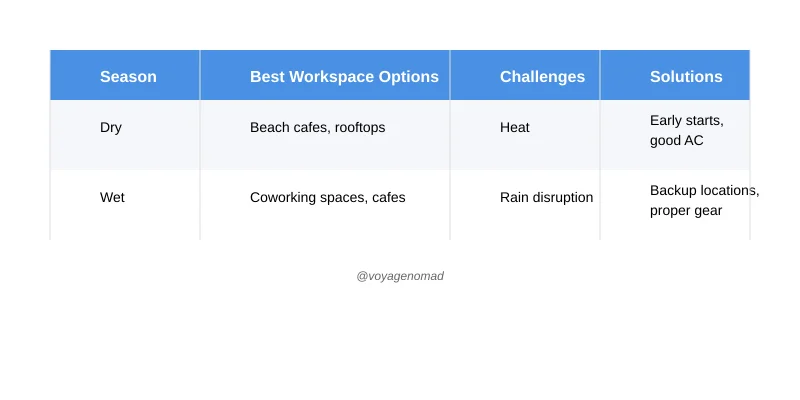
1. Workspace Considerations
2. Outdoor Activities
- Dry Season
- Beach workouts and water sports
- Hiking the scenic trails of Son Tra Peninsula
- Exploring the city and countryside by motorbike
- Wet Season
- Indoor fitness classes, such as yoga or gym sessions
- Visiting museums and cultural sites
- Treating yourself to relaxing spa days
Seasonal Cost Variations
- Accommodation
- Prices rise by 20-30% during the high season (February to August).
- Discounts are often available in the low season, especially for longer stays.
- Activities
- Prices for outdoor activities can fluctuate based on the weather.
- Keep an eye out for off-season promotions and discounts.
Health Considerations
- Dry Season
- Stay hydrated throughout the day to combat the heat.
- Sunscreen is a must to protect against the strong UV rays.
- Be aware of heat exhaustion, especially during peak temperatures.
- Wet Season
- Protect yourself from mosquitoes, particularly in areas prone to flooding.
- Invest in waterproof clothing and gear to stay dry.
- Keep an eye on indoor air quality if you’re spending long hours inside.
Productivity Tips by Season
Dry Season
- Daily Schedule
- Work early in the morning to avoid the heat.
- Focus on indoor tasks during the hottest midday hours.
- Enjoy outdoor activities in the cooler evenings.
- Workspace Rotation
- Mornings: Grab a coffee and start your day at a beachside café.
- Afternoons: Move to a comfortable, air-conditioned coworking space or café.
- Evenings: Work from rooftop spots to enjoy cooler air and city views.
Wet Season
- Adaptation Strategies
- Allow extra time for travel during heavy rain.
- Have several workspaces in mind to use as backups.
- Monitor the weather with apps to plan your day accordingly.
- Indoor Focus
- Consider a coworking space membership for reliable Wi-Fi and shelter from the rain.
- Set up a productive home office to minimize the need to travel.
- Plan out a cafe-hopping route to keep things fresh while staying indoors.
Best Times to Visit
- For First-Time Nomads
- February to April offers ideal weather, moderate tourism levels, and interesting cultural festivals, making it the best time to get a feel for Danang.
- For Long-Term Stays
- Arriving during the dry season allows you to adjust to the city comfortably.
- Gradually experience the wet season and adapt your work and lifestyle accordingly as you become more familiar with the yearly weather patterns.
Packing Recommendations
Year-Round Essentials
- Lightweight, breathable clothing for the heat and humidity.
- Comfortable walking shoes for exploring the city.
- Laptop protection—carry a rainproof cover or bag to safeguard your gear, especially during the wet season.
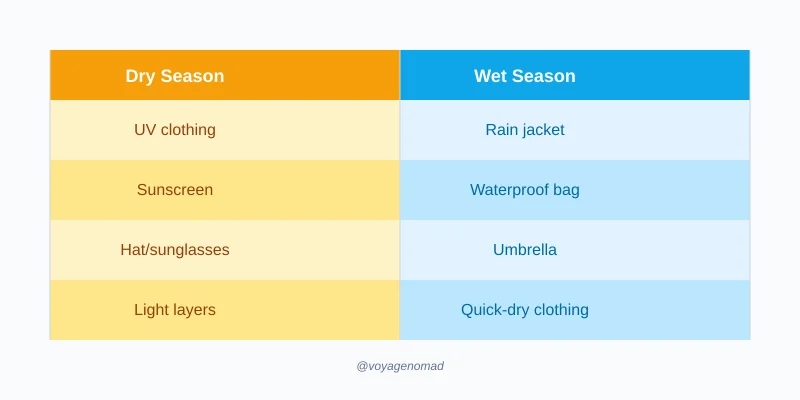
Seasonal Additions
Packing the right gear for each season will help you stay comfortable and productive.
Local Events and Weather
- Dry Season Events
- Enjoy lively beach festivals that take advantage of the sun and clear skies.
- Browse outdoor markets, which are perfect for discovering local crafts and street food.
- Experience traditional cultural performances held in open-air venues, adding to the vibrant atmosphere.
- Wet Season Activities
- Food festivals offer a cozy way to enjoy local cuisine indoors, even when it’s raining outside.
- Check out indoor concerts that keep the energy alive, rain or shine.
- Explore art exhibitions to appreciate Danang’s growing creative scene in climate-controlled spaces.
Weather-Related Challenges
- Power Outages
- Power outages are more frequent during the wet season due to storms and heavy rain.
- Backup power solutions, like portable chargers or UPS systems, can help you stay connected.
- Plan alternative workspaces with reliable power in case your usual spot is affected.
- Internet Disruption
- Bad weather can impact internet connectivity, especially during storms.
- Keep a backup hotspot or mobile data plan handy for emergency use.
- If possible, schedule flexible deadlines to accommodate weather-related issues.
Photography and Content Creation
- Best Times for Photography
- The early morning light is soft and ideal for outdoor shots before the heat kicks in.
- During the dry season, sunsets are particularly stunning, creating perfect conditions for golden hour photography.
- In the wet season, you can capture dramatic storm clouds, which add mood and depth to your photos.
- Equipment Protection
- Invest in waterproof cases for your cameras and gadgets to keep them safe in unpredictable weather.
- Consider using humidity-controlled storage to protect your gear from moisture during the wet season.
- Don’t forget to look into insurance for your valuable equipment in case of accidents or damage.
By getting familiar with Danang’s weather patterns and planning ahead, digital nomads can make the most of their time and stay productive year-round. Every season brings its own set of opportunities and challenges, which makes the city an engaging and ever-changing destination for long-term stays.
Building a Community: Networking and Social Life
For digital nomads, building connections in Danang is crucial for professional growth and personal well-being. The city offers plenty of opportunities to establish a strong social network and be part of a vibrant community.
Networking Opportunities
1. Digital Nomad Meetups
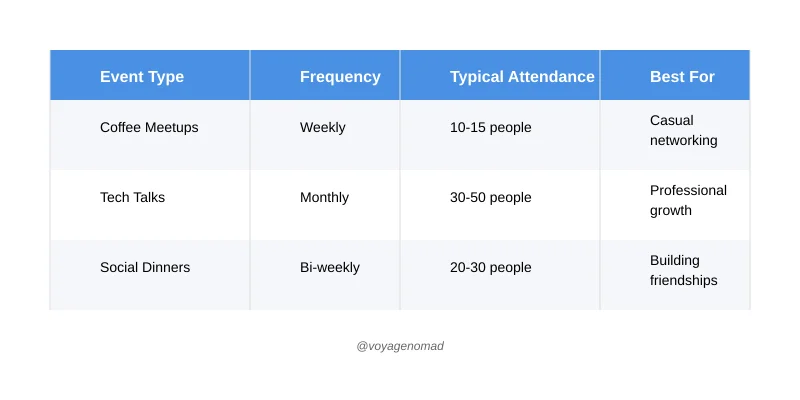
Danang’s nomad community is active, with regular events designed to help you meet like-minded people, exchange ideas, and build friendships.
- Regular Events
- Weekly coworking meetups for casual networking and collaboration
- Monthly networking dinners to expand your circle
- Skill-sharing workshops where you can learn and share expertise
2. Online Communities
Online platforms provide a great way to stay connected and informed about local events:
- Facebook Groups:
- Danang Digital Nomads for work-related discussions and tips
- Expats in Danang for general living advice
- Danang Social Club for social activities and events
- Slack Channels and WhatsApp Groups also offer real-time communication with fellow nomads and expats.
Social Activities
- Sports and Fitness
- Join a beach volleyball group to combine fun with fitness
- Attend yoga classes for relaxation and meeting health-conscious peers
- Explore local trails with a hiking club
- Connect with fellow surfers in the city’s surfing community
- Cultural Experiences
- Take part in language exchange meetings to improve your Vietnamese while making local friends
- Join cooking classes to learn how to make Vietnamese dishes
- Experience the city’s rich culture through cultural festivals
- Express your creativity in art workshops
Professional Networking
- Coworking Spaces
- Daily interactions in coworking spaces foster collaboration and partnerships.
- Many coworking spaces organize events and workshops designed to encourage networking.
- You’ll find plenty of collaboration opportunities with other freelancers, remote workers, and entrepreneurs.
- Industry-Specific Meetups
- Tech meetups are ideal for digital professionals looking to stay current on trends.
- Attend creative workshops for artists, designers, and content creators.
- If you’re interested in starting a business, entrepreneurship events offer valuable insights and networking opportunities.
Building Lasting Connections
- Best Practices
- Make it a habit to attend regular meetups and events.
- Join several communities to diversify your network.
- Consider organizing your own events, like a coffee meetup or a small workshop.
- Balance both online and offline networking to build stronger relationships.
- Common Challenges
- The transient nature of nomad life can make it difficult to form long-lasting connections, as people come and go frequently.
- Language barriers may pose a challenge when interacting with locals, though many speak basic English.
- Be mindful of cultural differences to avoid misunderstandings.
Local Integration
- Connecting with Locals
- Find a language exchange partner to help you learn Vietnamese while forming meaningful connections.
- Frequent local markets and cafés to meet locals and integrate into the community.
- Participate in community service or volunteering projects to give back and build bonds with local residents.
- Cultural Sensitivity
- Take time to understand local customs and social etiquette.
- Always respect traditions, especially during cultural or religious events.
- Learning a few key phrases in Vietnamese goes a long way in building rapport with locals.
Dating Scene
- Dating Apps
- Popular platforms include Tinder, Bumble, and VietnamCupid.
- Be mindful of cultural considerations, as dating norms can vary from what you’re used to.
- Always follow safety tips when meeting someone for the first time, such as choosing a public place.
- Social Events
- Attend singles meetups if you’re looking to meet new people in a relaxed setting.
- Join group activities, such as hikes or beach days, to meet people organically.
- Cultural festivals also offer a fun way to meet both locals and expats.
Final Thoughts
Danang is quickly becoming a standout destination for digital nomads by striking the right balance between Asian tradition and modern convenience. The city’s rapid growth has created a space where remote workers can thrive professionally while enjoying a high quality of life at a fraction of the cost compared to Western countries. What really makes Danang unique isn’t just its expanding infrastructure or reliable internet, but how it offers an authentic Vietnamese cultural experience without giving up on modern comforts.
The local community is welcoming, and the growing network of digital nomads makes it easy for newcomers to find their footing and build connections. Whether you’re drawn to the beautiful beaches, the rich cultural history, or the lively coffee scene to help power your workday, Danang delivers on many levels. As the city continues to evolve and embrace its role as a digital nomad hub, it’s more than just a temporary spot to work from—it’s a place where remote workers can imagine building a long-term, fulfilling lifestyle that blends work, personal growth, and cultural discovery.
Get Your Vietnam Mini Digital Nomad Guide & Checklist


