
Namaste To All My Blog Readers, Have you heard about Sri Lanka’s new Digital Nomad Visa? I just heard about this awesome new visa program in Sri Lanka that would be perfect for digital nomads! Sri Lanka recently launched a Digital Nomad Visa that lets remote workers live and work there long-term.
Remote workers can stay in Sri Lanka for up to a full year using this visa. Even better, you can renew it annually as long as you meet the eligibility rules. All you need to do is work remotely for clients or employers outside of Sri Lanka.
I honestly think Sri Lanka would be an amazing place for digital nomads. The cost of living is so low compared to other tropical destinations. On top of that, the scenery is breathtaking between the beaches, jungles, tea plantations and historic ruins. Can you imagine working remotely with views like that?
The locals are also really welcoming and the healthcare is great. Plus all the modern amenities you need are available in the cities. With its tropical climate, Sri Lanka just seems like such an inspiring and relaxing place to base yourself as a digital nomad.
The newly launched Sri Lanka Digital Nomad Visa presents an excellent opportunity for remote workers to reside in the country for an extended period of one year. However, interested applicants should be aware of the eligibility criteria and required documentation to ensure a smooth application process.
So let’s dive into the details of Sri Lanka’s newly launched Digital Nomad Visa,it’s Eligibility,Application process & I’ll talk about some other things related to Prospective Sri Lanka Digital Nomads as well
Why Sri Lanka Government Launched Digital Nomad Visa?
The Sri Lankan government has implemented a forward-thinking Digital Nomad Visa aimed at welcoming location-independent workers from across the world to take up residence in the tropical island nation. This inventive visa policy intends to stimulate economic growth and support Sri Lanka’s recovery after the COVID-19 pandemic stifled tourism.
By attracting traveling remote workers, the visa will inject new streams of foreign money and reduce overreliance on tourism revenues. Digital nomads can live and work from anywhere while earning income through international remote employment or running online businesses. Their ongoing economic contributions will strengthen Sri Lanka’s financial position over the long haul.
Although tourism picked up again earlier in 2022 after COVID19 lockdowns ceased, the sector remains on shaky ground. Tourist Arrivals in Sri Lanka hit 143,039 visitors in July According to Report Published by Sri Lanka Tourism Development Authority but could easily retract again. Hence the Digital Nomad Visa helps expand Sri Lanka’s foreign earnings beyond its cornerstone tourism industry.
Here are some of the advantages of tapping into digital nomads as new long-haul residents:
- Provides durable foreign income versus fleeting tourist dollars
- Injects new money into the economy through their remote work each month
- Diversifies Sri Lanka’s foreign capital inflows, minimizing dependence on tourism
- Insulates economy if tourism drops off again in the future
- Enables more constant economic gains compared to short-stay tourists
At it’s core, the visa embraces digital nomads as a vital emerging demographic that can furnish stable and diversified income channels to push Sri Lanka’s economy forward. With the tourism outlook remaining hard to predict, remote working visitors offer a prosperous way forward.

Sri Lanka Digital Nomad Visa Eligibility Requirements
The core requirements to qualify for the Sri Lanka Digital Nomad Visa are as follows:
- Proof of monthly income of at least $2000 from employment, contracts, or freelance work with overseas companies, evidenced by bank statements and transfers to a Sri Lankan bank account.
- Bank statements validating regular income over the past 6 months.
- An authorization letter from current employer permitting remote work (for traditional employees).
- Business registration paperwork if self-employed or a freelancer.
- Documentation of employment contracts or agreements with foreign clients.
- A valid passport with minimum 6 months validity remaining.
- Payment of the $500 visa application fee covering main applicant and dependents.
- Purchase of comprehensive health insurance valid during the stay in Sri Lanka.
- Signed agreement not to seek employment or conduct business locally, only to work remotely for foreign entities.
- Clearance of a background check regarding any criminal record.
- Proof of booked accommodations or a rental agreement in Sri Lanka for the initial period.
In addition, applicants must be of strong moral character with a clean criminal background, have sufficient funds, and a travel history aligning with genuine remote work intentions.
Step-by-Step Application Process For Sri Lanka Digital Nomad Visa
Once prospective applicants have all documentation and eligibility criteria in order, they can proceed through the following steps:
- Compile all required paperwork, translated to English if necessary.
- Complete the official online visa application form, uploading scanned copies of materials. Pay the $500 fee.
- Schedule an in-person interview at the nearest embassy or consulate of Sri Lanka, bringing original documentation.
- Attend the interview prepared to validate remote employment capability, financial standing, and travel purpose.
- Obtain approved medical insurance that includes COVID19 coverage for the initial stay duration.
- Wait approximately 5-10 business days for visa application review and determination.
- When approved, the embassy will issue an entry visa and place it in the applicant’s passport.
- Make travel arrangements including flights and double-check accommodations.
- Upon arrival in Sri Lanka, present passport, visa, and any other required documents to immigration authorities.
- Proceed through customs to enter the country.
Submitting a complete visa application at least 2 months in advance is advisable. Meeting all requirements and having accurate paperwork will streamline the approval process.
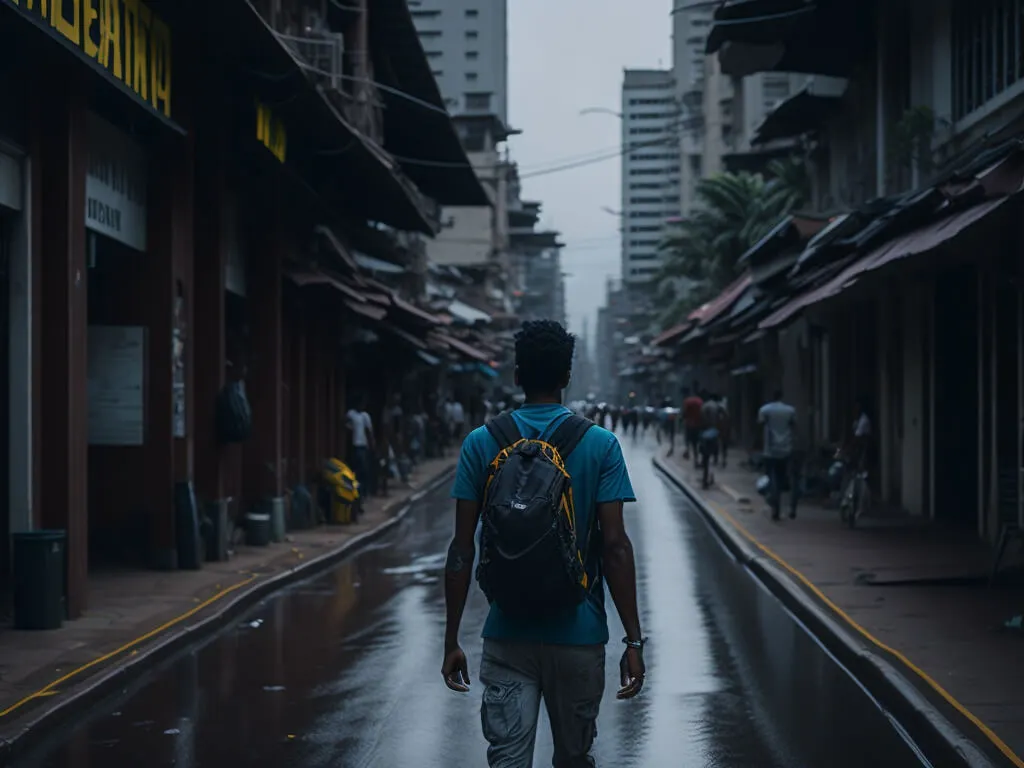
Best Cities For Digital Nomads in Sri Lanka
Sri Lanka boasts a variety of excellent destinations for digital nomads, from bustling cities to laidback beach towns. When evaluating the top locations in Sri Lanka for remote work, key factors include infrastructure, affordability, amenities, and the ability to blend productivity with leisure. Here are some of the top cities that allow digital nomads to thrive:
Colombo
As the largest city and commercial hub, Colombo offers energizing urban living alongside modern conveniences. The many cafes, coworking spaces, and robust infrastructure provide productive backdrops for work. After hours, digital nomads can enjoy the nightlife, diverse culinary experiences, shopping, and cultural attractions.
Galle
The charming colonial seaside town of Galle provides digital nomads historic architecture, easy beach access, surf breaks, and chic cafes housed in renovated Dutch buildings. The laidback ambience facilitates focused work during the day and relaxation after hours.
Kandy
Nestled in the hill country, Kandy gives digital nomads a cooler mountain climate alongside spiritual temples and the serene Royal Botanical Gardens. The harmonious blend of old and new creates an inspiring, productivity-enhancing environment.
Beach Towns
Destinations like Mirissa, Unawatuna, and Tangalle along the southern and southwestern coasts are ideal for digital nomads craving sunshine, sand, and surf. Mirissa’s sweeping crescent beach and fishing culture create an up-and-coming remote work hub. Unawatuna offers more tourist amenities including yoga retreats. And Tangalle provides an off-the-beaten-path experience with untouched palm-lined shores and lagoons.
Whether seeking an energetic urban locale or a peaceful beach vibe, Sri Lanka has diverse destinations to cater to every digital nomad. With tropical weather, affordability, and hospitality, the country continues to grow as a top spot for today’s location independent workforce.
One of the biggest draws of choosing Sri Lanka as a digital nomad destination is the relatively affordable cost of living compared to many other places. Expenses for daily necessities and general living remain budget-friendly.
Cost of Living For Digital Nomads in Sri Lanka
One of the biggest draws of choosing Sri Lanka as a digital nomad destination is the relatively affordable cost of living compared to many other places. Expenses for daily necessities and general living remain budget-friendly.
- Housing – Private apartment rentals range $300 – $900 per month depending on location and amenities
- Coworking Space – Memberships from $50 – $150 per month
- Dining Out – Restaurant meals for $3 – $15 per person
- Groceries – Monthly grocery bills around $150 – $300
- Public Transit: $0.20 – $2 per ride
- Taxis: $2 – $10 per short trip
- Phone Plan with Data – $10 per month
- Healthcare Visits – $5 – $20 at government clinics
With prudent budgeting, total monthly living costs in Sri Lanka can be kept to $1000 – $1500. This covers housing, food, transportation, utilities, healthcare and entertainment.
Given the $2000 per month foreign income requirement for the digital nomad visa, one can still comfortably live well and save money in Sri Lanka.
To wrap it up
Sri Lanka offers an outstanding value proposition as a digital nomad destination. The tropical environment and high quality of life is available at a fraction of the cost of many urban hubs in North America or Europe. This financial accessibility enables remote workers and entrepreneurs to maximize their earnings while enjoying an enviable beachside lifestyle. For those intrigued by the digital nomad visa program, Sri Lanka merits serious consideration based on affordability merits alone.
FAQ
What are the main benefits of Sri Lanka’s digital nomad visa program?
The key benefits are the ability to legally reside in Sri Lanka for an extended period while working remotely for foreign employers or clients. The tropical environment, low cost of living, and streamlined visa process make Sri Lanka an appealing destination for location-independent professionals.
Can I work for a local Sri Lankan company while on the visa?
No, engaging in any employment or commercial activities with Sri Lankan entities is prohibited to remain compliant with the visa program terms. All work must be for international companies or clients based abroad.
Is reliable high-speed internet readily accessible in Sri Lanka?
Yes, recent infrastructure investments have enabled fast, stable internet across the country. Mobile data coverage is strong including more remote areas. Coworking spaces in cities provide fiber-optic connectivity suitable for remote work.
Is Sri Lanka considered safe for digital nomads?
Sri Lanka is generally very safe, especially major tourism hubs and cities where digital nomads congregate. Violent crime rates are low and police maintain active community presence. Basic precautions should still be taken as when traveling anywhere.
What options are available for healthcare services if I get sick or injured?
Sri Lanka has high quality public and private hospitals, clinics, pharmacies and English-speaking doctors concentrated in major cities like Colombo. Health insurance is recommended to cover costs.
Can I bring my family with me on the digital nomad visa?
Yes, a main applicant’s spouse and dependent children under 18 years old can be included on their digital nomad visa for the duration of stay in Sri Lanka.
Is finding long-term rentals feasible as a digital nomad?
Long-stay furnished apartments catering to expats and digital nomads can be readily found in cities and tourism hotspots. 1-6 month rentals are common. Alternately, longer term local rentals can be furnished independently.
What’s Holding You Back? Let’s Fix It – Join Us!


